What causes hair loss and thinning hair in both Men and Women?

Jess Callahan • April 17, 2024

Why am I getting thin hair or losing hair?

Thinning hair can be caused by a variety of factors, and often it's a combination of these factors that lead to the gradual loss of hair density. Here are some common causes of thinning hair:


1. Genetics (Androgenetic Alopecia):

One of the most common causes of thinning hair is hereditary hair loss, known as androgenetic alopecia. This condition is more commonly associated with men, where it's often referred to as male pattern baldness. However, women can also experience androgenetic alopecia, which leads to a gradual reduction in hair volume and thickness over time.


2. Hormonal Changes:

Fluctuations in hormone levels can contribute to thinning hair. This is particularly evident in women during pregnancy, childbirth, and menopause. Hormonal imbalances, such as an excess of androgens (male hormones), can lead to hair thinning and loss.


3. Aging:

As we age, our hair follicles can shrink and produce thinner, shorter strands of hair. This natural aging process is called involutional alopecia and is a common cause of thinning hair in both men and women.


4. Poor Nutrition:

A diet lacking essential nutrients, particularly vitamins and minerals important for hair health, can contribute to thinning hair. Iron deficiency, in particular, is known to cause hair loss. Ensuring a balanced diet rich in vitamins A, C, D, E, zinc, iron, and omega-3 fatty acids can support healthy hair growth.


5. Stress:

Physical or emotional stress can lead to a condition called telogen effluvium, where a large number of hair follicles enter the resting phase of the hair growth cycle simultaneously. This results in excessive shedding and noticeable thinning of the hair.


6. Medical Conditions:

Certain medical conditions can cause hair thinning as a symptom. These include thyroid disorders (such as hypothyroidism or hyperthyroidism), autoimmune diseases (like alopecia areata), and scalp infections (such as ringworm).


7. Medications:

Some medications, such as those used for cancer, arthritis, depression, heart problems, and high blood pressure, can have the side effect of hair loss or thinning. If you suspect medication is causing your hair loss, it's important to consult with your doctor.


8. Hairstyling Habits:

Excessive use of heat styling tools (like flat irons and curling irons), tight hairstyles (such as ponytails, braids, or buns), and chemical treatments (like hair dyes, relaxers, or perms) can damage the hair shaft and lead to breakage and thinning.


9. Environmental Factors:

Exposure to pollutants, UV radiation from the sun, harsh weather conditions, and chlorinated or salty water can all contribute to weakening the hair shaft and causing thinning.


10. Overprocessing and Harsh Hair Care Products:

Frequent coloring, bleaching, perming, or using harsh shampoos and styling products can strip the hair of its natural oils, leading to dryness, breakage, and eventual thinning.


It's essential to identify the underlying cause of thinning hair to determine the most effective treatment or management approach.


Consulting with a dermatologist or healthcare provider can help in diagnosing the cause and developing a personalized plan to address thinning hair. Early intervention is often key to slowing down or reversing the effects of hair loss.


By Jessica callahan June 12, 2026
Most Sensitive Skin Isn't Actually Sensitive The Skin Barrier Truth Most People Never Hear By Jess, Owner of HUSH Clinical | 30 Years of Skin Experience Every week I meet people who tell me they have sensitive skin. Their skin is red. It stings. It feels tight. Products suddenly irritate them. Nothing seems to work anymore. And after more than 30 years treating skin, I've noticed something interesting. Around 90% of these clients don't actually have what I would consider true sensitive skin. What they have is a damaged skin barrier. What Is The Skin Barrier? Your skin barrier is your body's natural protective shield. Think of it as the brick wall that keeps moisture in and irritants out. When your skin barrier is healthy, your skin feels: Comfortable Balanced Hydrated Calm Resilient When the barrier becomes damaged, everything changes. Suddenly your skin becomes: Red Reactive Tight Dry Itchy Easily irritated Most people assume they have sensitive skin. In reality, their skin is simply crying out for help. How Do People Damage Their Skin Barrier? The biggest causes I see include: Over-Cleansing Many people believe that squeaky-clean skin equals healthy skin. It doesn't. If your skin feels tight after cleansing, you've likely removed too much of your skin's natural protection. Too Many Active Ingredients Retinol. Vitamin C. Acids. Peels. Exfoliants. These ingredients can be fantastic when used correctly. But when clients start layering multiple active products without guidance, the skin often becomes overwhelmed. Following Social Media Trends TikTok and Instagram have convinced many people that more products equal better results. The truth? Most people need fewer products, not more. Over-Exfoliation One of the most common mistakes I see. Exfoliation can improve skin texture and brightness, but too much exfoliation strips the barrier and leaves the skin vulnerable. The Signs Of A Damaged Skin Barrier You may have barrier damage if: Products suddenly sting Your skin feels tight after cleansing You experience unexplained redness Your skin feels dry but also breaks out Moisturisers don't seem to work anymore Your skin reacts to products you've used for years These symptoms are often mistaken for sensitivity. What I Recommend Instead The first thing I do is simplify. We stop chasing the next miracle product. We focus on restoring the skin. Step 1: Use A Gentle Cleanser One of my favourites is Synergie UltraCleanse . It removes makeup, sunscreen and daily buildup without leaving the skin feeling stripped or tight. Step 2: Reduce Active Ingredients Sometimes less really is more. Giving the skin a chance to recover can make a dramatic difference. Step 3: Focus On Barrier Repair Some of my favourite products for compromised skin include: Dr Spiller Sanvita Cream Eco by Sonya Glory Oil Eco by Sonya Super Fruit Hydrator Synergie DermaCalm These products help support hydration, comfort and skin barrier recovery. Step 4: Be Patient The skin barrier doesn't repair overnight. Consistency is often more important than intensity. My Biggest Skincare Tip After treating thousands of skins over the years, one thing has become very clear. Most people don't need stronger skincare. They need healthier skin. When the skin barrier is functioning properly, many common concerns improve naturally. Less redness. Less irritation. Better hydration. Healthier-looking skin. Not Sure If Your Skin Is Sensitive Or Barrier Damaged? That's where professional advice makes all the difference. At HUSH Clinical, we offer complimentary skin consultations to help identify what's really happening with your skin and create a plan that's tailored to you. Because the right skincare doesn't have to be complicated. Sometimes it's simply about giving your skin what it needs most. Book Your Complimentary Skin Consultation Today HUSH Clinical | South Yarra, Melbourne Or shop Jess's favourite barrier-supporting products online at HUSH Beauty & Skin.
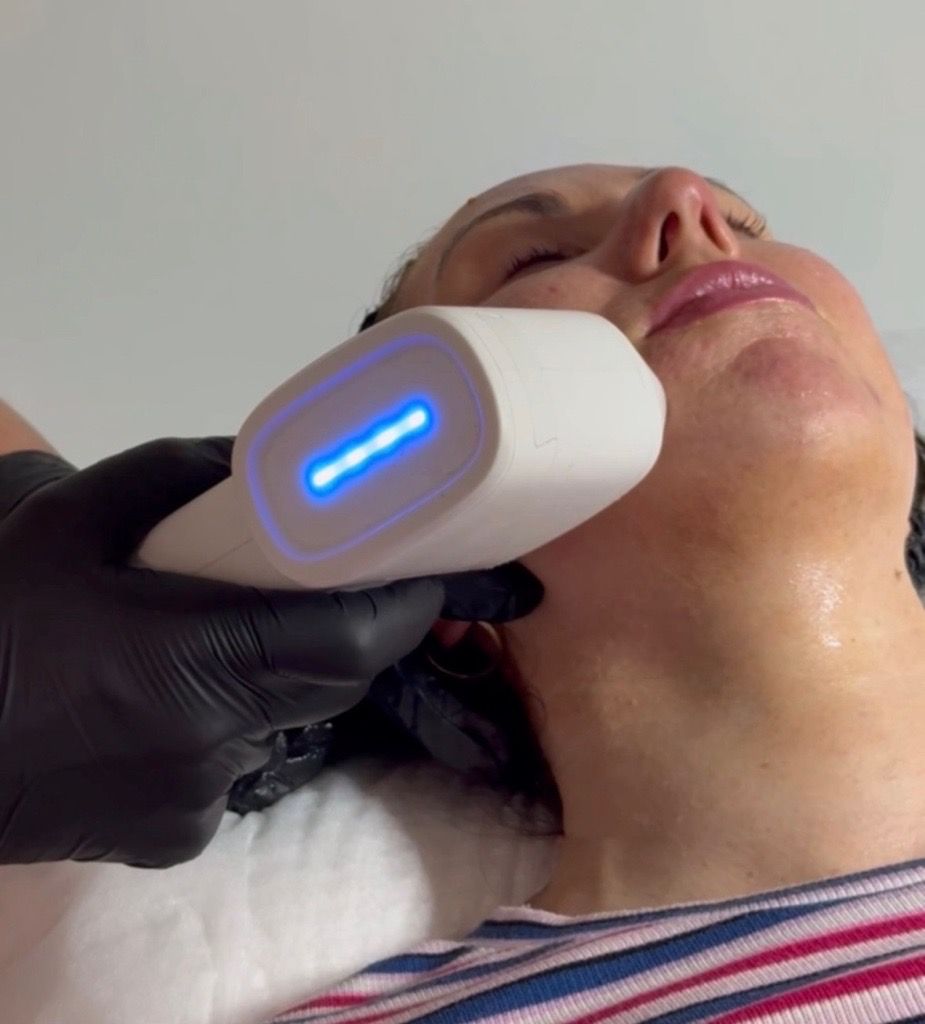
Gloved hand using a blue-light facial device on a person’s cheek and jawline during a skincare treatment
By Jessica callahan May 14, 2026
Compare HIFU & skin needling for skin tightening. Get tailored treatments at HUSH Clinical for visible results!
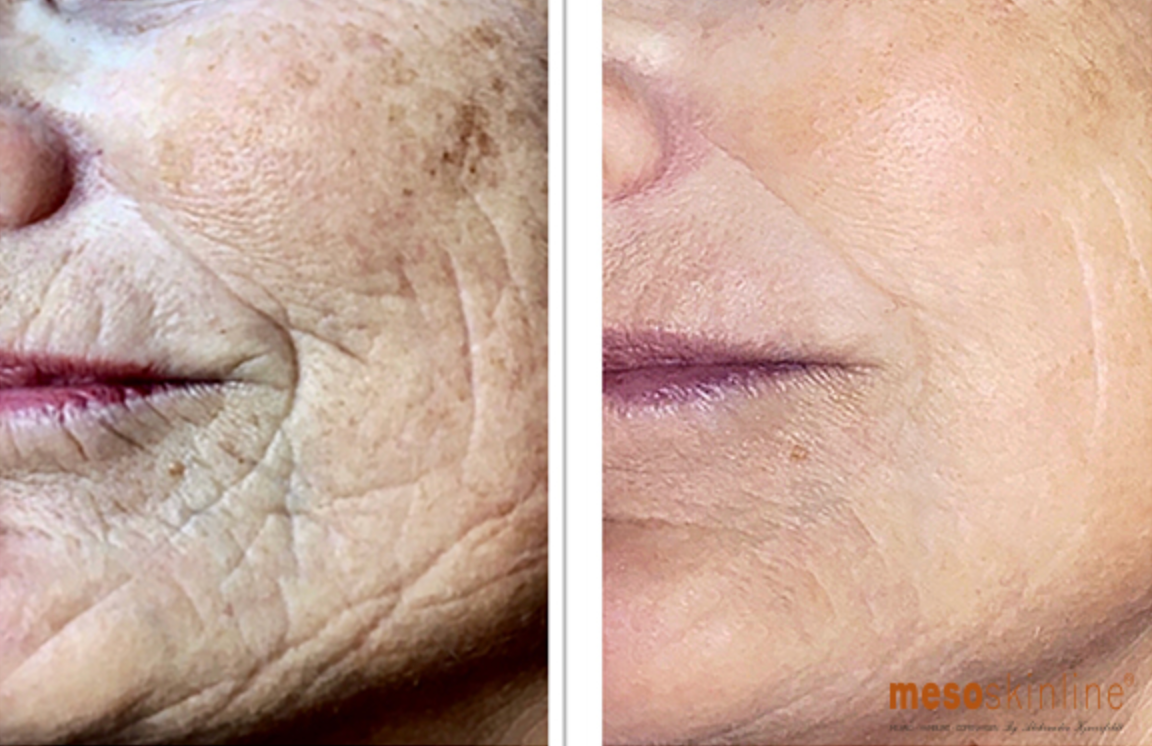
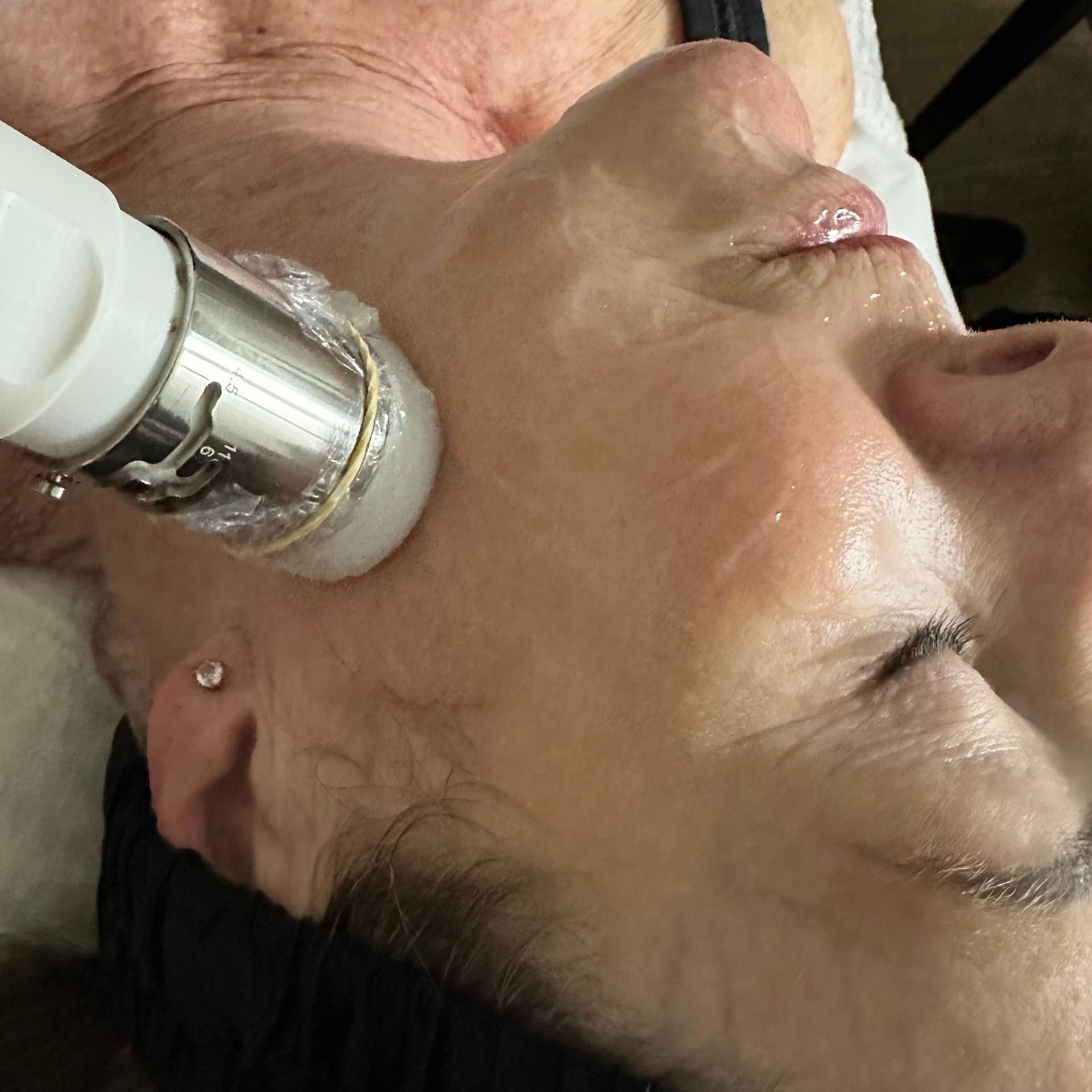
Split close-up of facial skin before and after smoothing treatment, showing wrinkles reduced on the right
By Jessica callahan February 10, 2026
Experience advanced skin needling for rejuvenation & hydration at HUSH Clinical. Book your consultation today!
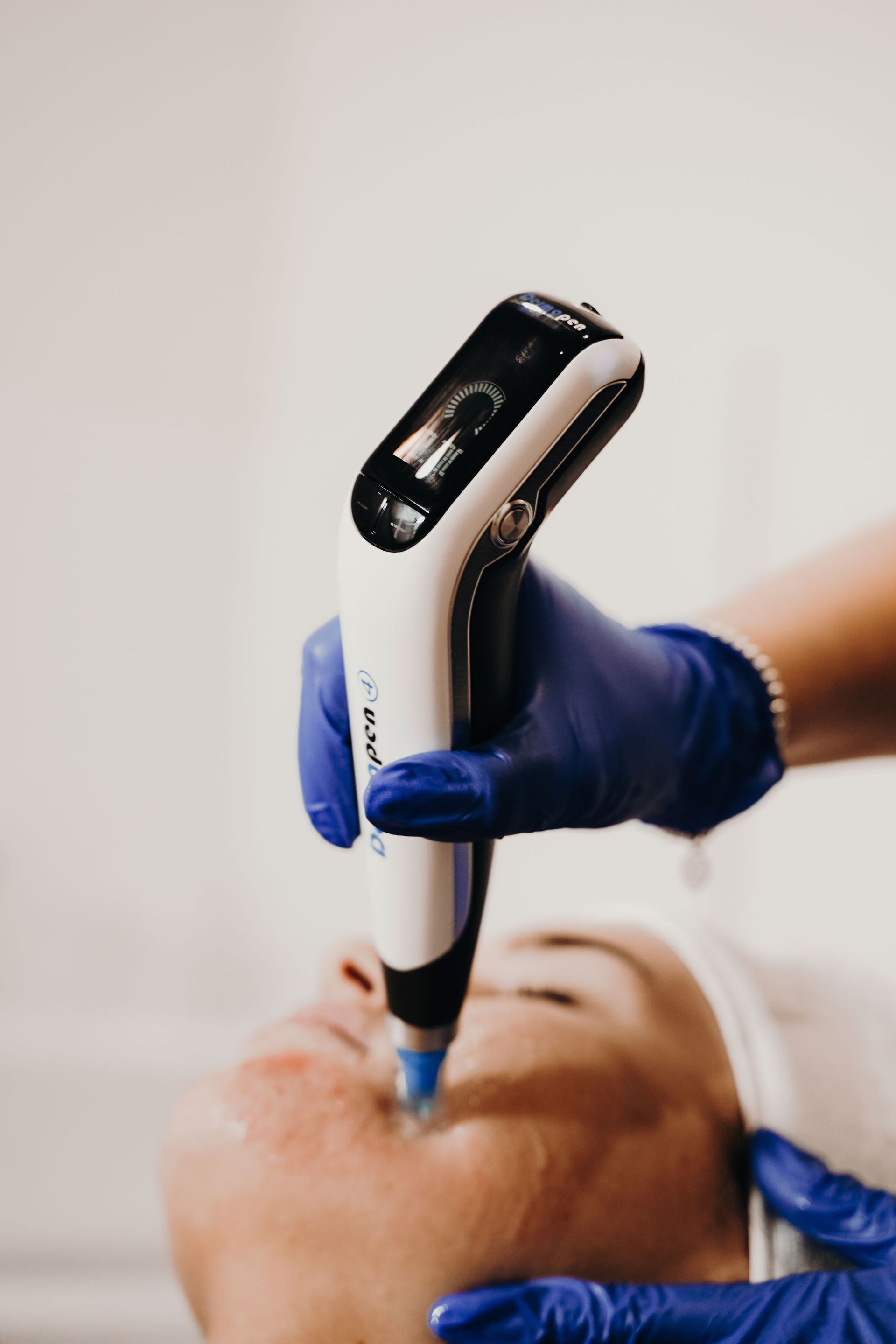
Person receiving a facial treatment with a handheld device, blue gloves.
By Jess Callahan May 22, 2025
Learn why HUSH Clinical uses human umbilical cord exosomes for skin regeneration. Experience advanced treatments tailored for you.
HIFU Free skin consultation with Jess, skin therapist and owner at HUSH Clinical
By Jess Callahan April 12, 2025
Discover why seeing an owner-operated skin clinic like HUSH Clinical leads to real results, honest advice, and affordable skincare treatments tailored to you – with no pushy sales.
Discover what makes HIFU at HUSH Clinical in South Yarra different. Two machines, real results, pers
By Jess Callahan April 4, 2025
Discover what makes HIFU at HUSH Clinical in South Yarra different. Two machines, real results, personal care — and pain-free! Book your free consultation now.
Looking for the most advanced non-surgical skin tightening treatment in Melbourne? The SOMA DUALhi H
By Jess Callahan April 3, 2025
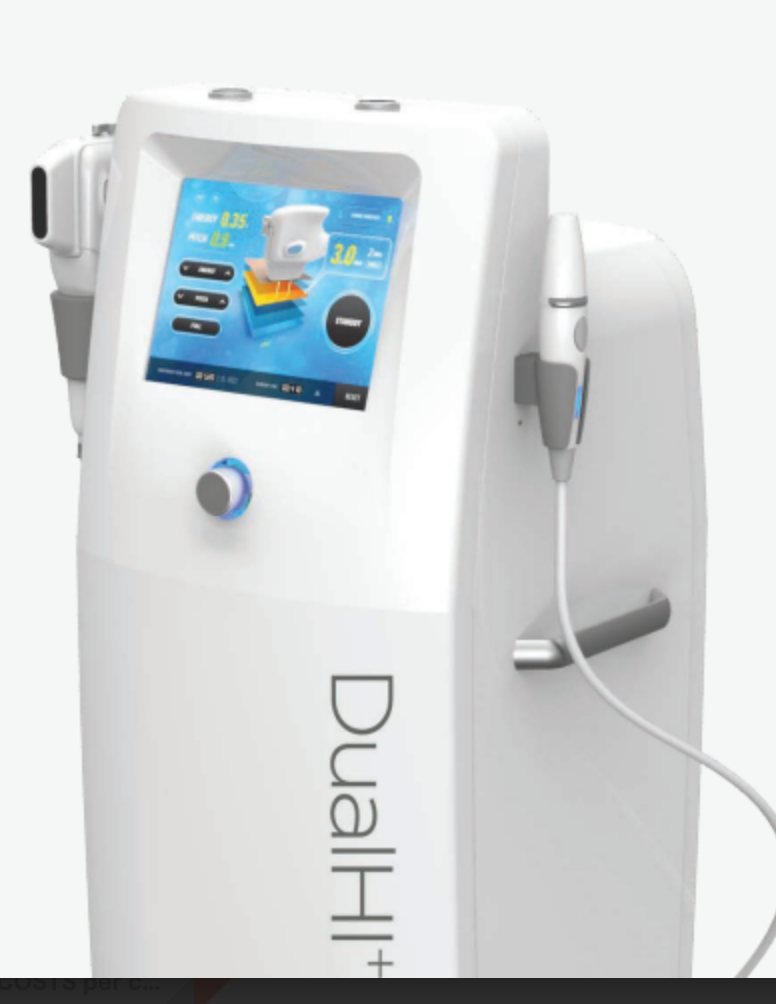
Discover SOMA DUALhi HIFU at HUSH Clinical. Advanced skin tightening & body contouring in Melbourne. Pain-free, no downtime. Book your consultation today.Looking for the most advanced non-surgical skin tightening treatment in Melbourne? The SOMA DUALhi HIFU at HUSH Clinical uses cutting-edge MMFU technology to lift and firm the face and body—pain-free and with no downtime. Perfect for jowls, necks, double chins, eyes, and body areas like arms and tummy, this next-gen treatment delivers faster, more precise results than traditional HIFU. Book now to experience the latest in non-invasive rejuvenation.
melbourne HIFU - see the best and only HIFU specialist in melbourne.
By Jess Callahan December 5, 2024
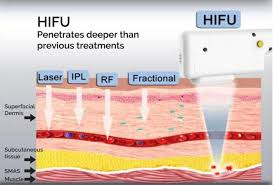
When it comes to achieving a firmer, more youthful appearance, the jowls and neck are often the areas that show the earliest signs of aging. Loose skin, sagging, and loss of definition can leave many searching for a non-surgical solution. Two of the most popular treatments in Melbourne for skin lifting are HIFU (High-Intensity Focused Ultrasound) and RF (Radio Frequency). But which one is right for you? Let’s break down the differences and why HIFU stands out as the ultimate choice for lifting and tightening these challenging areas.
Woman with dark wavy hair smiles at the camera, neutral background.
By Jess Callahan October 25, 2024
Meet Snezana for expert filler & injectables at HUSH Clinical. Book your free consultation for personalized care today!
HIFU 4d 7d depth and fat loss
By Jess Callahan October 8, 2024
Understand the differences between 4D, 7D, & 11D HIFU machines. Contact HUSH Clinical for expert skin treatments today!
More Posts